Metal Casting core ideas shared in a practical explanation
Wiki Article
Discover the Role of Steel Shops in Modern Production Processes
Metal foundries are important to the manufacturing landscape, converting raw products right into important components for numerous industries. Their advanced strategies, consisting of 3D printing and CAD, make it possible for the production of complex get rid of minimal waste. In addition, foundries are increasingly embracing sustainable techniques to improve their ecological impact. Recognizing the complete range of these procedures discloses their significant influence on industries like auto and aerospace, triggering a more detailed evaluation of their progressing role in modern manufacturing.The Important Functions of Metal Shops
Metal factories play an important role in the production sector by changing raw materials right into useful metal items with numerous processes (Aluminum Foundry). These facilities are very important for producing components utilized in various industries, including vehicle, aerospace, and construction. Factories largely concentrate on melting steel alloys and putting them into mold and mildews to develop certain shapes, a process called spreading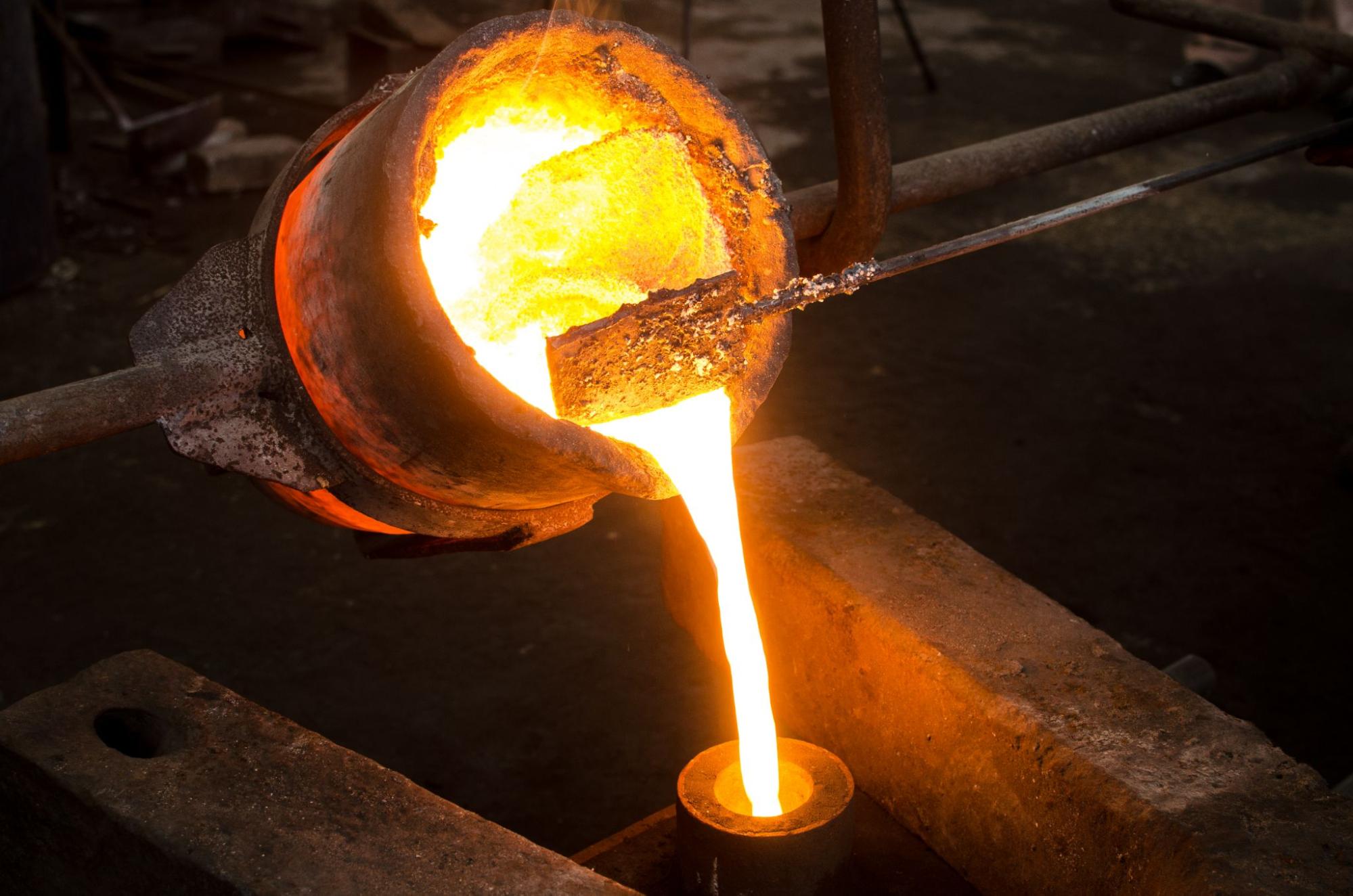
In addition, shops provide specific services, such as warmth therapy, which improves the mechanical homes of steel items. By assisting in these vital functions, steel foundries add significantly to the overall efficiency and development within the manufacturing landscape, allowing the manufacturing of a large range of steel products.
Advanced Technologies in Metal Spreading
As the manufacturing industry evolves, advanced modern technologies in steel casting are reshaping the landscape of production. Advancements such as 3D printing and computer-aided layout (CAD) have significantly enhanced the performance and precision of casting processes. These technologies enable factories to produce complicated geometries that were difficult or formerly challenging to accomplish, therefore lowering product waste and improving total quality.In addition, automation and robotics have streamlined operations, minimizing hand-operated labor while raising production speed. Incorporating innovative simulation software application allows factories to maximize casting designs and predict potential problems prior to production, additionally enhancing reliability.
Moreover, the advent of clever manufacturing systems, integrating the Net of Points (IoT), facilitates real-time monitoring of processes, making sure better control over manufacturing criteria. These technical developments not just drive cost-effectiveness but also position metal foundries at the center of contemporary production, enabling them to satisfy the advancing demands of numerous industries.
Sustainability Practices in Foundries
While the production industry encounters increasing stress to embrace environmentally responsible practices, factories are actively carrying out sustainability procedures to reduce their environmental impact. Many factories have accepted reusing campaigns, making use of scrap steel and other materials to minimize waste and preserve resources. Advanced innovations, such as energy-efficient furnaces and automated processes, additionally improve their dedication to sustainability.Shops are also concentrating on boosting and minimizing discharges air top quality by embracing cleaner manufacturing methods. Using environmentally friendly binders and coatings has acquired grip, decreasing dangerous results in the spreading procedure. Furthermore, water conservation actions are being executed, with closed-loop systems reducing freshwater consumption and wastewater discharge.
The Influence of Factories on Different Industries
Although commonly overlooked, factories play a necessary duty in supplying vital elements across a varied variety of sectors. These centers are crucial in generating metal castings utilized in vehicle, aerospace, machinery, and building markets. In the auto market, factories offer engine blocks, transmission situations, and other essential components, ensuring cars operate informative post efficiently. Aerospace relies heavily on precision-cast parts that fulfill strict safety criteria, while building companies depend upon strong and durable steel items for framework projects.
Factories contribute to the energy sector by manufacturing parts for power generation devices, including generators and generators. Their convenience prolongs to durable goods, where cast steel components boost item performance and durability. By sustaining numerous markets, factories not just reinforce manufacturing capabilities however additionally drive technology and technical innovations, stressing their considerable effect on the international economic climate.
Future Fads in Metal Shop Operations
Arising modern technologies and developing market needs are shaping the future landscape of steel shop procedures. Automation and robotics are significantly being integrated to improve performance and reduce labor prices. Smart shops are leveraging data analytics and the Internet of Things (IoT) to monitor manufacturing procedures in real-time, facilitating anticipating upkeep and lessening downtime.Sustainability is also ending up being a centerpiece, with foundries taking on greener techniques by decreasing and reusing products power intake. Advanced products, such as light-weight alloys and composites, are obtaining grip, driven by industries like aerospace and automobile seeking boosted efficiency.
Additive manufacturing is emerging as a complementary innovation, allowing the manufacturing of complex geometries that traditional techniques can not achieve. As digitalization proceeds, steel factories are anticipated to adopt even more flexible manufacturing systems, permitting personalized, on-demand manufacturing remedies. These trends suggest a pop over to this web-site transformative shift, positioning metal shops for a dynamic future in production.
Regularly Asked Questions

What Materials Are Commonly Utilized in Metal Foundries?
Metal factories frequently make use of products such as iron, light weight aluminum, bronze, brass, and different alloys. These materials are picked for their distinct homes, making it possible for the production of varied components tailored for certain applications in countless industries.Just How Do Foundries Make Certain Quality Assurance in Manufacturing?
Shops implement rigorous high quality control measures, consisting of product examinations, process tracking, and testing of completed items. They make use of advanced innovations and standards to assure integrity, uniformity, and adherence to specifications throughout the production procedure.What Precaution Are Applied in Steel Foundries?
Steel factories implement safety procedures such as personal protective devices, air flow systems, regular safety training, and emergency situation protocols. These why not check here practices aim to reduce threats connected with heats, harmful fumes, and hefty equipment procedures.The length of time Does the Metal Casting Process Usually Take?
The steel casting process usually takes several hours to days, depending on elements such as the complexity of the design, kind of metal used, and cooling down times needed for the specific spreading method used.What Are the Profession Opportunities in Steel Foundries?
Job opportunities in steel factories include roles such as shop technicians, metallurgists, quality assurance examiners, equipment operators, and manufacturing managers - Aluminum Foundry. These placements offer diverse paths in manufacturing, design, and skilled trades within the marketMetal shops are essential to the production landscape, transforming raw products right into vital elements for different sectors. Metal shops play an essential role in the production field by transforming raw materials into functional metal items via various processes. In enhancement to spreading, steel factories additionally engage in procedures such as machining, where excess product is eliminated to achieve precise specs. As digitalization proceeds, metal factories are expected to embrace more versatile manufacturing systems, allowing for tailored, on-demand production services. Job chances in metal shops include functions such as factory service technicians, metallurgists, high quality control examiners, device drivers, and manufacturing managers.
Report this wiki page